
Understanding the cultural impact of gambling on modern society
Gambling’s Historical Context
Gambling has been woven into the fabric of human society for centuries, with evidence of its existence dating back to ancient civilizations. From the rudimentary dice games of the Mesopotamians to the sophisticated betting systems of the Roman Empire, gambling has often been a reflection of cultural values and societal norms. Historically, various forms of gambling were either celebrated as a part of religious rituals or viewed with skepticism, influencing how society perceived luck and fortune. For those looking for a fun experience, try out the best no kyc crypto casino available today.
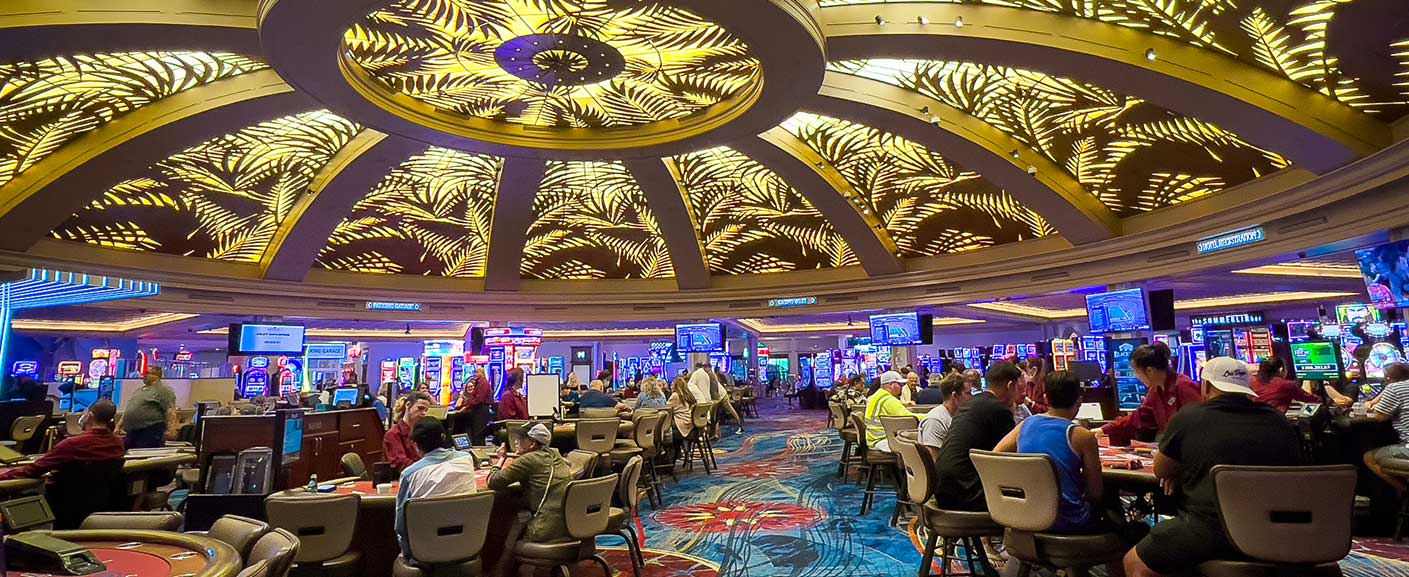
In many cultures, gambling was intertwined with significant events, such as harvests or festivals. These occasions provided not just entertainment but also a communal experience that fostered social bonds. As societies evolved, so too did the perception of gambling, often leading to legal regulations and the establishment of formal gaming institutions, which shaped the modern gambling landscape.
The Role of Technology in Gambling
The rise of technology has dramatically transformed the gambling industry, making it more accessible than ever before. Online casinos and mobile gaming applications have democratized gambling, allowing individuals to participate from the comfort of their homes. This shift has not only expanded the reach of gambling but has also introduced new forms of games and betting methods that appeal to a broader demographic.
With technological advancements come concerns about responsible gaming. The ease of access can lead to compulsive behaviors and addiction, prompting a cultural dialogue around the need for better regulations and support systems. As technology continues to evolve, so too will the discussions surrounding its impact on gambling habits and societal perceptions.
Gambling and Social Dynamics
The cultural impact of gambling extends beyond individual experiences; it influences social dynamics within communities. In many cases, gambling establishments serve as social hubs where people gather, fostering interaction among diverse groups. This communal aspect can enhance social cohesion, providing a space for entertainment, celebration, and even economic activity.
However, the social implications of gambling are not uniformly positive. While some communities may thrive on the economic benefits brought by casinos, others may face challenges such as crime and addiction. The juxtaposition of gambling as a source of social engagement and a potential catalyst for societal issues highlights the complex nature of its impact on modern culture.
Gambling in Popular Culture
Gambling has become a prominent theme in popular culture, influencing everything from films and literature to music and art. Movies like «Casino Royale» and «The Hangover» portray gambling not just as a game of chance but as a narrative device that explores themes of risk, morality, and human behavior. These portrayals often shape public perceptions, glamorizing the lifestyle while simultaneously cautioning against its pitfalls.
Moreover, celebrities and public figures often engage in gambling, further embedding it into the cultural consciousness. This visibility can affect societal attitudes, normalizing gambling as a leisure activity. Yet, it also necessitates a critical examination of how such representations can impact vulnerable populations, particularly youth who may idolize these figures.

Exploring Responsible Gambling
As gambling continues to be a significant aspect of modern society, the conversation around responsible gambling is gaining traction. Advocacy groups and educational initiatives are crucial in promoting awareness of the potential risks associated with gambling. These efforts aim to empower individuals to make informed choices and recognize the signs of problem gambling.
Websites dedicated to gambling education offer resources that highlight responsible gaming practices, promoting a healthier relationship with gambling. As cultural attitudes shift, the emphasis on informed decision-making and community support reflects a growing understanding of gambling’s complex role in society. By fostering an environment of awareness and responsibility, society can better navigate the challenges posed by gambling.